
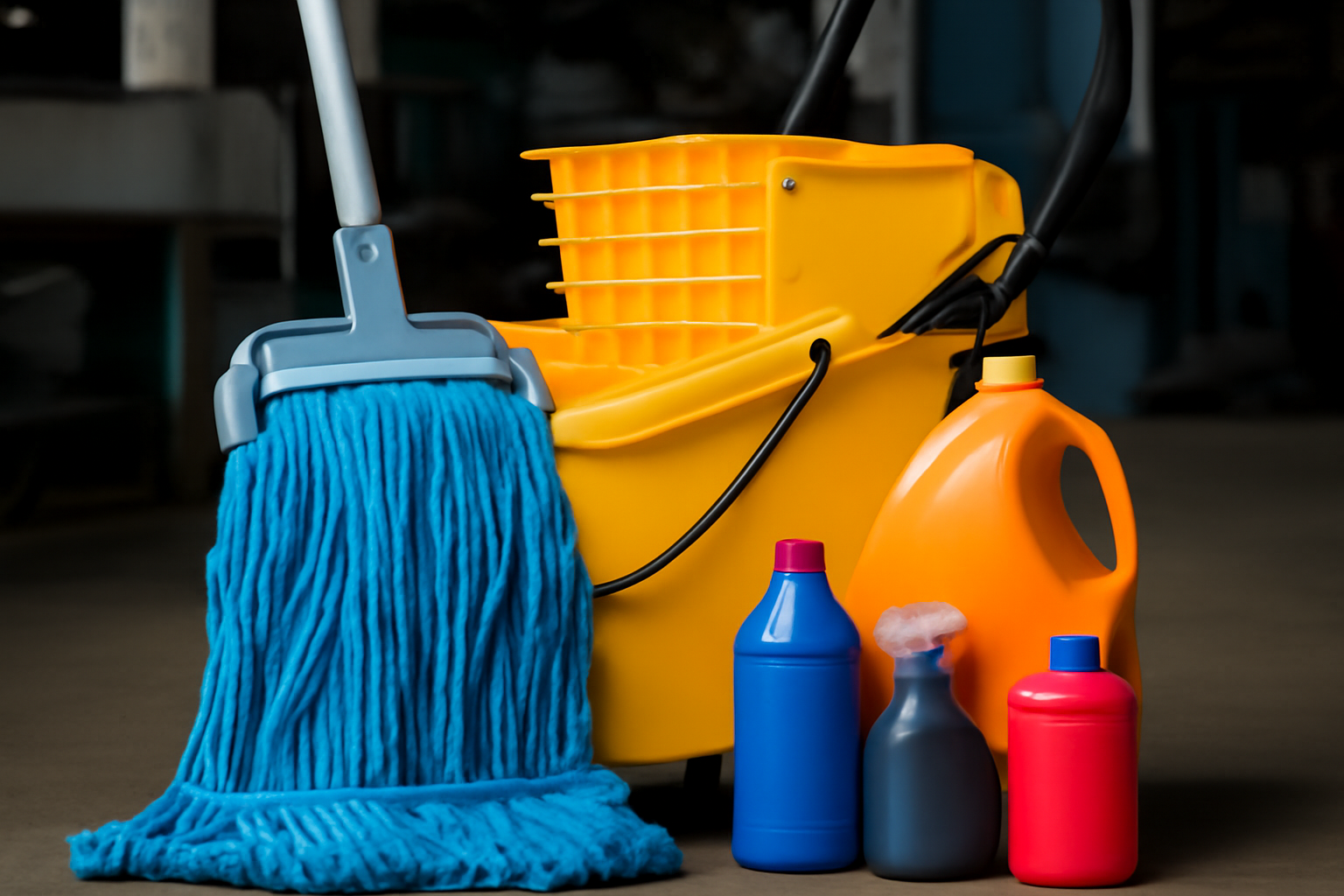
When it comes to maintaining cleanliness and safety in manufacturing plants, choosing the right cleaning equipment is essential. One of the most commonly used cleaning tools in these environments is the industrial mop. Whether you’re dealing with large factory floors, assembly lines, or specific machinery areas, selecting the appropriate industrial mop can make a significant difference in the efficiency and effectiveness of your cleaning routine. This guide will walk you through the key factors to consider when choosing industrial mops for your manufacturing plant.
Why Industrial Mops Matter
In a manufacturing plant, cleanliness isn’t just about appearance. It’s about maintaining a safe, efficient, and hygienic work environment. Industrial mops help to:
Prevent Slips and Falls: Wet floors or spills can lead to accidents. Mopping ensures that floors stay dry and safe for workers.
Maintain Equipment Longevity: Regular cleaning can prevent dust, dirt, and grease from accumulating on machinery, extending the life of your equipment.
Improve Air Quality: By removing dust and debris, mopping also helps to reduce airborne contaminants that may affect both workers and products.
Comply with Health and Safety Standards: Manufacturing plants are often subject to strict health regulations, and cleanliness is a key factor in compliance.
Types of Industrial Mops
When selecting a mop for your facility, it’s crucial to understand the different types available. Each type is designed for specific needs, environments, and cleaning conditions. Here are the most common types:
1. Wet Mops
These are the most common industrial mops, used for general cleaning tasks. They are designed to be used with water or cleaning solutions to remove dust, dirt, oil, and other contaminants.
Best For: Regular floor cleaning, removing spills, and basic maintenance.
Materials: Wet mops are typically made from cotton, microfiber, or synthetic fibers.
Considerations: Ensure the mop head is absorbent enough for the amount of liquid you need to clean. Cotton mops are often used for larger areas, while microfiber mops are more effective for fine dust and smaller spills.
2. Dust Mops
Dust mops are designed for dry cleaning and are ideal for sweeping dust and debris off floors before a wet mop is used. They are perfect for environments where dry dirt or powder accumulates.
Best For: Sweeping dust and dry debris before a wet mop.
Materials: Typically made from microfiber or cotton yarn.
Considerations: Dust mops should be lightweight and highly effective at trapping dust. Microfiber is particularly good for trapping fine particles.
3. String Mops
String mops are the traditional mop design, featuring long strands of mop material. They are highly effective for cleaning large, open spaces.
Best For: Large areas and heavy-duty floor cleaning.
Materials: Typically made from cotton or synthetic fibers.
Considerations: The mop head should be durable and absorbent, especially in high-traffic areas. Ensure the string mop handle is adjustable for ergonomic use.
4. Flat Mops
Flat mops have a low-profile, rectangular head that can be used with disposable mop pads or microfiber cloths. They are especially effective in tight spaces or areas where a lot of detail work is required.
Best For: Detailed cleaning and spaces with high foot traffic.
Materials: Often made from microfiber, with velcro or clip-on pads.
Considerations: Flat mops are great for quick and easy cleaning, especially in tight corners or under machines.
5. Microfiber Mops
Microfiber mops use advanced fibers to trap dust and dirt more effectively than traditional mops. They are highly durable and require less cleaning solution, making them cost-effective in the long run.
Best For: Facilities with a lot of fine dust, or where chemicals need to be avoided.
Materials: Microfiber.
Considerations: Microfiber mops can absorb more dirt and debris, and they are gentler on floors than traditional cotton mops. However, they can be more expensive upfront.
Key Features to Consider When Buying an Industrial Mop
When choosing the best industrial mop for your plant, consider the following factors:
1. Size of the Area to Be Cleaned
The size of the floor area you need to clean will determine the type of mop you need. For larger areas, a string mop or wide flat mop will be more efficient. For smaller areas, a microfiber or dust mop will be more effective.
2. Mop Handle and Design
Ergonomics are critical when selecting a mop, especially for staff who will be using it regularly. Look for a mop with an adjustable handle to reduce strain. The mop head should be easy to change or clean.
Handle Materials: Stainless steel or aluminum is commonly used for durability.
Adjustability: A handle that adjusts for different users and cleaning environments can save time and effort.
3. Cleaning Surface
Different surfaces require different mop materials:
Concrete or industrial floors: Stronger, more durable mops like string or microfiber are best.
Tile floors or smooth surfaces: A flat mop or microfiber mop is effective for detailed work.
4. Type of Dirt and Contaminants
Consider what kind of dirt you are cleaning up:
Oily or greasy substances: Choose a mop with high absorbency like cotton or microfiber.
Dry dust and debris: A dust mop made of microfiber or cotton will be more efficient.
5. Cleaning Solution Compatibility
Make sure the mop can work with the cleaning solutions required for your plant. Some mops are specifically designed for use with industrial-grade disinfectants and degreasers, while others work best with general-purpose cleaners.
Conclusion: Choosing the Right Industrial Mop for Your Plant
Selecting the right mop for your manufacturing plant is essential for maintaining cleanliness, safety, and compliance with regulations. By considering the size of your facility, the type of dirt and contaminants, and the ergonomic needs of your workers, you can choose a mop that meets your specific requirements.Whether you choose a traditional string mop, a microfiber flat mop, or a dust mop, make sure to regularly clean and maintain the mop for optimal performance. Investing in the right industrial mop will help you keep your plant clean, safe, and productive.




Add comment