
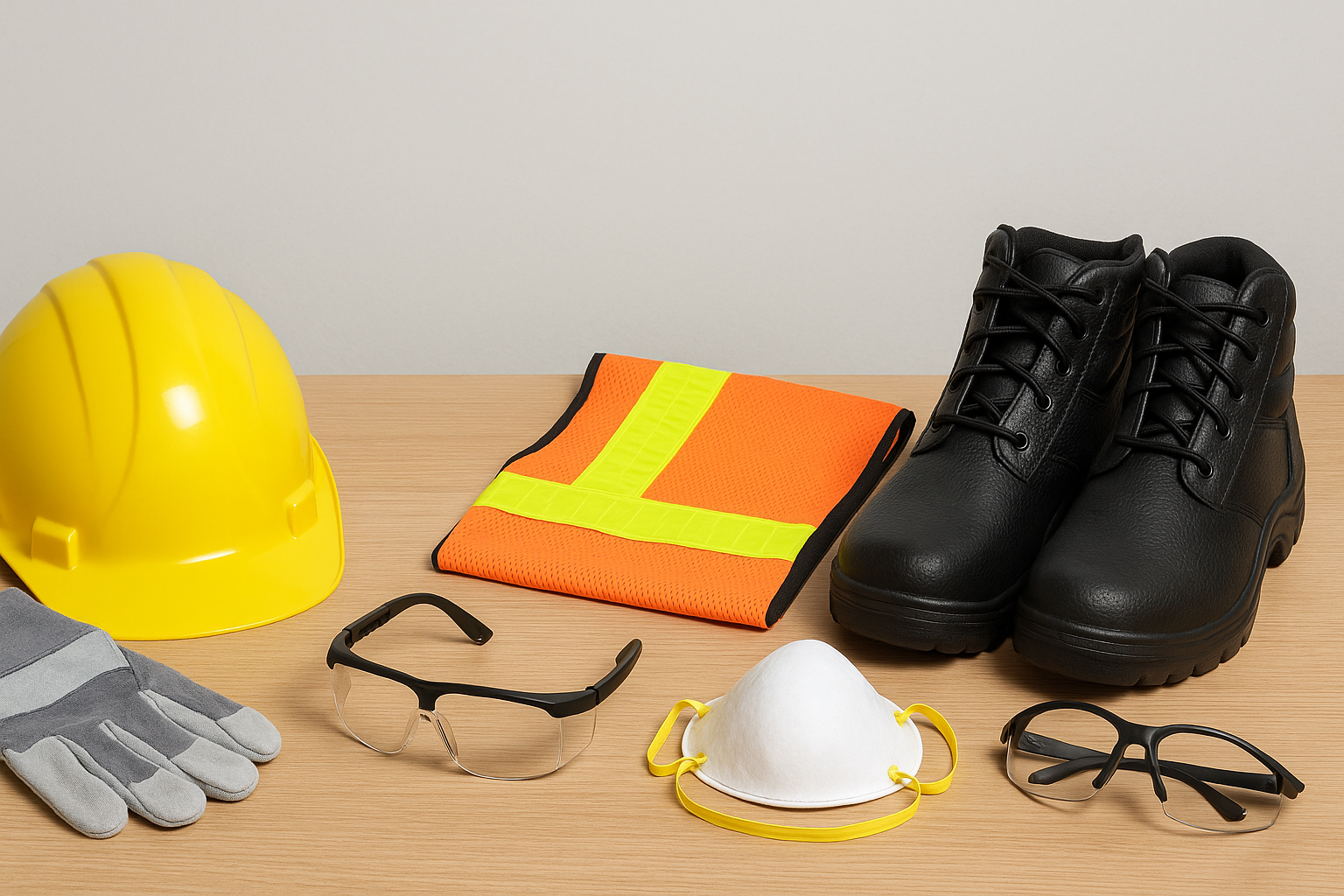
Keeping your workforce safe isn’t optional—it’s a responsibility. In industrial, construction, manufacturing, and warehouse environments, hazards are everywhere. The only thing standing between a worker and a serious injury could be the quality of their safety gear.
But here’s the catch: not all safety gear is created equal. Choosing the wrong type can lead to discomfort, non-compliance, or worse—accidents. This comprehensive guide will walk you through how to choose the best safety gear for your workforce, based on risk, environment, and job function.
Step 1: Understand the Risks in Your Workplace
Before you even think about buying safety gear, you need to understand what you’re protecting against. This starts with a risk assessment.
Ask:
Are there risks of falls, burns, chemical exposure, flying debris, or noise?
Are workers exposed to electricity, extreme temperatures, or confined spaces?
Do certain jobs require precision, mobility, or high visibility?
Your safety gear should match the specific hazards of each role. For example, a welder needs heat-resistant gloves and face protection, while a warehouse worker may need steel-toe boots and a high-vis vest.
Step 2: Choose the Right PPE for Each Body Zone
Let’s break safety gear down by body zone and identify what to look for in each category.
1. Hand Protection – Gloves
Hazards: Cuts, abrasions, heat, cold, chemicals, punctures
Options:
Nitrile Gloves: Chemical-resistant, oil-resistant, great for general industrial use
Cut-Resistant Gloves: For handling sharp tools or metal
Heat-Resistant Gloves: For welding or high-temp equipment
Electrical Insulating Gloves: For electricians or energy work
Tip: Never use a one-glove-fits-all approach. The wrong glove can be worse than no glove at all.
2. Eye and Face Protection
Hazards: Flying debris, dust, chemicals, radiation, sparks
Options:
Safety Glasses: For general protection; some come with anti-fog or scratch-resistant coatings
Goggles: For liquid splash or fine dust environments
Face Shields: For welding, grinding, or chemical handling
Tip: Make sure eye protection fits comfortably with other PPE like hard hats or respirators.
3. Head Protection – Helmets and Hard Hats
Hazards: Falling objects, low-hanging obstacles, electrical hazards
Options:
Class E (Electrical): For electrical protection up to 20,000 volts
Class G (General): For general industrial use
Class C (Conductive): Ventilated for comfort, but no electrical protection
Tip: Replace hard hats that are cracked, dented, or past expiration—even if they look fine.
4. Hearing Protection
Hazards: Loud machinery, power tools, constant noise
Options:
Earplugs: Disposable or reusable, ideal for high-noise environments
Earmuffs: Provide a snug fit and good protection; great for intermittent noise exposure
Tip: Check Noise Reduction Rating (NRR). The higher the number, the better the protection.
5. Respiratory Protection
Hazards: Dust, fumes, vapors, lack of oxygen
Options:
Disposable Masks (N95, KN95): For dust and particulates
Half-Face Respirators: For chemicals, painting, or fumes
Full-Face Respirators: Provide both breathing and eye protection
PAPR (Powered Air-Purifying Respirator): For high-risk environments
Tip: Respirators must be fit-tested and matched to the specific airborne hazard.
6. Foot Protection
Hazards: Falling objects, slippery floors, punctures, electric shocks
Options:
Steel-Toe Boots: Protect against impact and compression
Slip-Resistant Shoes: For wet or oily floors
EH-Rated Boots: Protect against electrical hazards
Metatarsal Guards: Extra protection for the upper foot
Tip: Comfort matters—uncomfortable boots lead to non-compliance and reduced productivity.
7. High-Visibility and Body Protection
Hazards: Low visibility areas, traffic zones, flying debris, chemical exposure
Options:
High-Visibility Vests and Jackets: Required for traffic and outdoor work
Coveralls and Aprons: For chemical splash or dirt-heavy environments
Flame-Resistant (FR) Clothing: For welders, electricians, and oil/gas work
Tip: Choose gear based on ANSI/ISEA visibility class (Class 1 to Class 3) depending on the risk level.
Step 3: Ensure Proper Fit and Comfort
Poorly fitting safety gear is a recipe for non-compliance. Workers are less likely to wear equipment that’s bulky, hot, or restrictive.
What to Check:
Are gloves too tight or loose?
Do respirators form a proper seal?
Can workers move comfortably in protective clothing?
Is PPE adjustable to different body types?
Tip: Involve workers in PPE trials before bulk purchasing. Their feedback is essential.
Step 4: Look for Certified and Compliant Gear
Only use gear that meets national or international safety standards.
Standards to Look For:
ANSI (American National Standards Institute)
OSHA (Occupational Safety and Health Administration)
CE (Conformité Européene for Europe)
NIOSH (National Institute for Occupational Safety and Health) for respirators
Tip: Avoid non-branded or uncertified products. They may save money up front but can cost far more in accidents and legal issues later.
Step 5: Train Your Workforce on Proper Use
Even the best safety gear won’t help if workers don’t know how (or when) to use it.
Key Training Points:
When PPE is required
How to inspect PPE before use
How to properly wear and adjust each item
How to store and clean PPE
When PPE must be replaced
Tip: Make training part of onboarding and refresh it regularly.
Step 6: Maintain and Restock Regularly
PPE wears out. Stock gets low. Gear gets damaged. Your job isn’t done after purchasing.
Create a system for:
Monthly PPE inspections
Inventory checks and restocking
Replacing expired or worn gear
Tip: Keep a small buffer stock of critical PPE items to avoid disruptions.
Conclusion
Choosing the best safety gear for your workforce is more than ticking a compliance box—it’s about protecting real people from real risks. The right gear boosts productivity, reduces injuries, and shows your team you value their well-being.
By understanding workplace hazards, selecting the right gear for every body zone, ensuring proper fit, and maintaining regular training and inspection, you can build a strong safety culture that protects your people—and your business.Safety isn’t a cost. It’s an investment. Make it count.



Add comment