
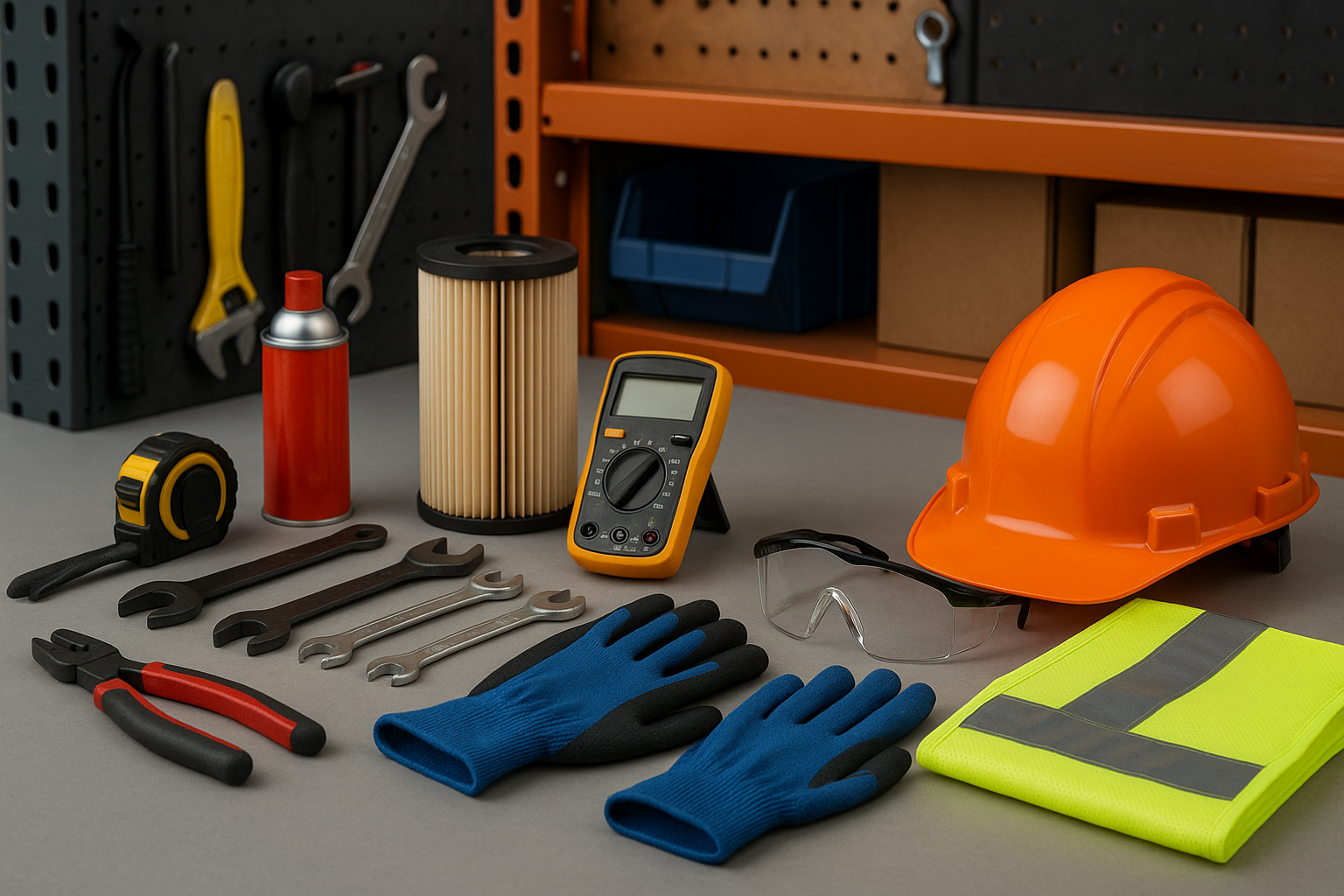
In every factory, plant, or industrial facility, two things drive performance above all else: safety and efficiency. If either one slips, you’re looking at costly downtime, injuries, and broken trust with both employees and customers.
The secret weapon?
MRO products—Maintenance, Repair, and Operations supplies that power the day-to-day functionality of your operation. These aren’t just spare parts and tools. The right MRO products are a frontline defense against accidents and lost productivity.
In this guide, we’ll break down how to maximize safety and efficiency in your facility by choosing, using, and managing the right MRO supplies.
Why MRO Products Matter More Than You Think
Let’s get real: it’s not usually a broken machine that causes chaos—it’s the missing gasket, dead battery, or wrong lubricant that turns a 10-minute fix into a four-hour shutdown.
Well-managed MRO inventory helps you:
Respond to breakdowns faster
Prevent failures before they start
Ensure workers have the protection they need
Avoid bottlenecks in routine maintenance
Stay compliant with safety standards
1. Choose MRO Products That Support Proactive Maintenance
The best maintenance is the kind that never gets noticed—because equipment doesn’t fail in the first place.
To make that happen, stock MRO products that support preventative maintenance:
Must-Have Products:
Lubricants & Grease Guns: Prevent wear and tear on machinery.
Filters: Replace clogged filters before airflow or fluid pressure is compromised.
Inspection tools: Like thermal cameras and vibration sensors to detect issues early.
Fasteners: For tightening loose parts and stopping problems before they escalate.
Result: Fewer breakdowns, fewer emergencies, and a more stable operation.
2. Equip Your Team with the Right PPE—And Keep It Stocked
Safety isn’t just about signs and policies—it’s about gear that works, fits right, and is always available.
Critical PPE Items:
Nitrile Gloves: Chemical- and puncture-resistant for handling machinery and fluids.
Cut-Resistant Gloves: Essential for working with sharp tools or metal.
Safety Glasses & Face Shields: For grinding, welding, or chemical splash.
Ear Protection: To guard against high-decibel equipment.
High-Visibility Clothing: Especially where forklifts, vehicles, or cranes are in use.
Result: Reduced injury risk, improved morale, and compliance with OSHA and industry regulations.
3. Organize and Label Everything for Faster Response
You don’t want your team digging through a drawer looking for a fuse during a production halt.
Use these MRO best practices to improve speed and clarity:
Label bins and shelves clearly by category or use-case.
Use shadow boards for tools to quickly spot what’s missing.
Implement color-coded PPE or cleaning supplies to prevent misuse.
Digitize your inventory with scannable QR codes or CMMS software.
Result: Less time wasted, faster repairs, and zero confusion.
4. Use the Right Tools for the Right Job
Using a generic tool for a specific job leads to poor results—or worse, injury. The right tools improve both efficiency and safety.
Top Tools to Always Keep on Hand:
Multimeters: For diagnosing electrical issues safely and quickly.
Torque Wrenches: Prevent under/over-tightening of critical fasteners.
Cordless Power Tools: For speed and mobility in urgent repair situations.
Infrared Thermometers: Detect overheating components before failure.
Result: Jobs get done right the first time, and equipment stays protected.
5. Stock Quality Over Quantity
Cheap tools and low-grade consumables may save money upfront—but they fail faster, cause more injuries, and waste time.
Smart MRO management focuses on:
Reliable brands with proven track records
Durable materials that last longer under pressure
Products that meet or exceed ANSI, OSHA, or ISO standards
Result: Fewer breakdowns, better worker trust in equipment, and long-term savings.
6. Automate Reordering of Critical MRO Supplies
Running out of MRO essentials—like PPE, fuses, filters, or cleaning supplies—can halt operations or force unsafe shortcuts.
Set up:
Minimum stock alerts
Auto-reorder systems
Scheduled inventory audits
Focus on high-turn items and parts that are critical to production lines, HVAC systems, electrical panels, and safety compliance.
Result: Always having what you need, when you need it—without overstocking.
7. Train Staff to Use MRO Products Correctly
No matter how good your supplies are, they’re worthless if used wrong. Regular training ensures maintenance teams know:
What each product is for
How to use tools safely and effectively
When to replace PPE or worn-out items
How to report and log maintenance activity
Result: Better outcomes, fewer mistakes, and a stronger safety culture.
8. Align MRO Supplies with Compliance and Inspections
Factories are subject to audits, inspections, and certifications. Having the right MRO inventory is part of passing them.
Key focus areas:
Lockout/Tagout kits for machine servicing
Proper signage and labels for hazardous zones
Documented inspection logs for equipment and tools
Proper storage of flammable or hazardous materials
Result: Pass audits, avoid fines, and prove you take safety seriously.
Conclusion: Safety and Efficiency Start with the Right MRO Strategy
Maximizing efficiency doesn’t mean cutting corners—it means being ready, smart, and proactive. With the right MRO products in place, you’ll reduce downtime, boost safety, and empower your maintenance team to stay ahead of the curve.
So take stock. Build your system. Train your team.
And make sure your next emergency isn’t one you could have prevented with a 50-cent fuse or a pair of gloves.
Because when it comes to safety and performance, MRO isn’t extra—it’s essential.





Add comment