
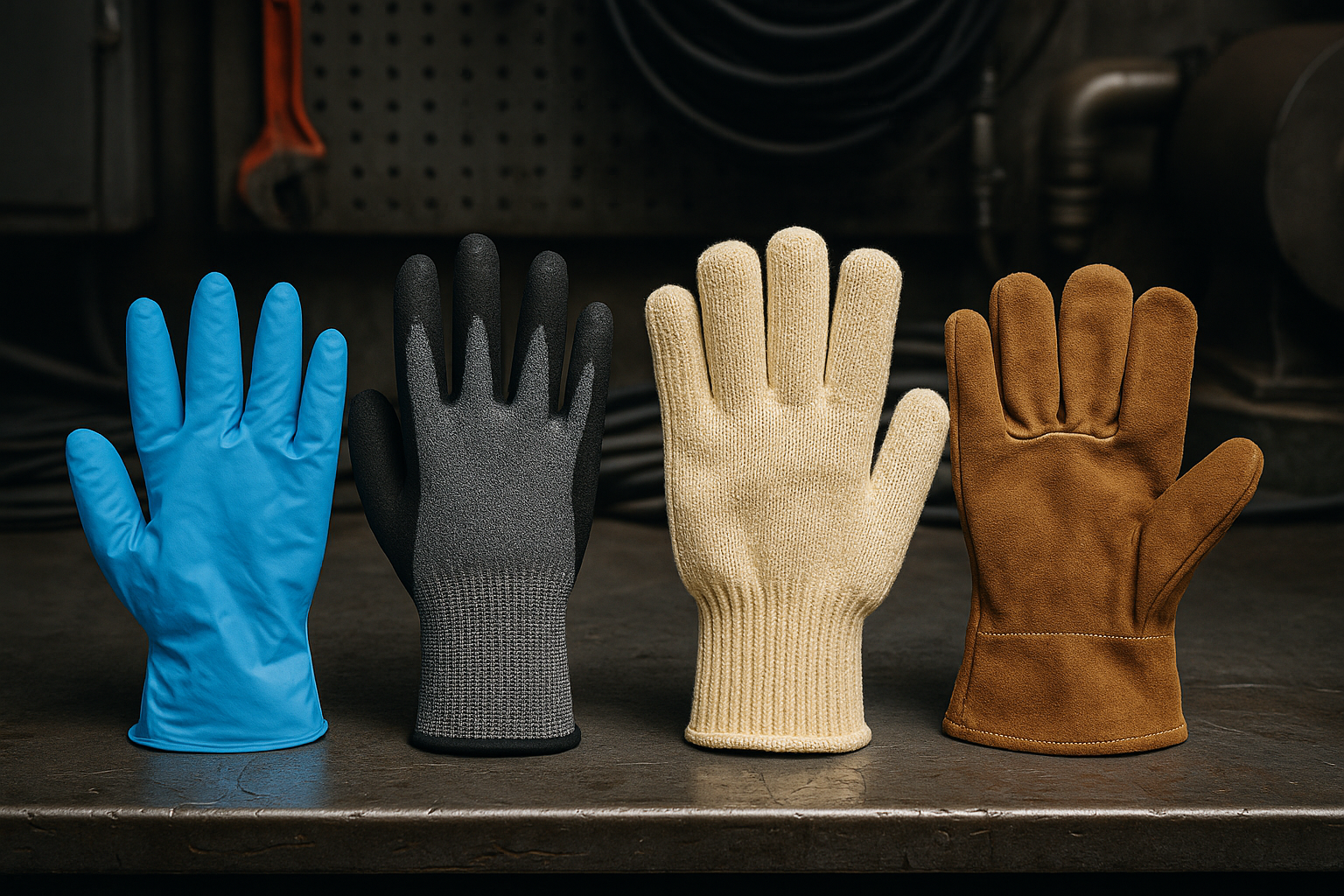
In any industrial or manufacturing environment, safety should be a top priority, and one of the most important aspects of protecting your workforce is providing the right personal protective equipment (PPE). Among the various types of PPE, industrial gloves play a crucial role in safeguarding workers’ hands from injury, contamination, and exposure to hazardous materials. However, with a wide variety of industrial gloves available—each designed for specific tasks—choosing the right pair can be overwhelming.
In this blog, we’ll guide you through the key factors to consider when selecting the perfect industrial gloves for your team, ensuring maximum protection, comfort, and durability.
Why Proper Glove Selection Matters
Industrial gloves are more than just a barrier between the skin and external elements; they are designed to protect against specific hazards, such as:
Chemical exposure: Some gloves are resistant to oils, acids, or solvents, preventing skin contact with dangerous substances.
Physical harm: Gloves can protect against cuts, abrasions, punctures, and impacts when handling sharp or heavy equipment.
Thermal protection: In high-temperature environments, gloves can prevent burns and thermal injuries from hot surfaces or molten materials.
Contamination control: In environments like food processing or healthcare, gloves help avoid contamination between workers and products.
With these risks in mind, selecting the right industrial gloves is critical to ensuring the health and safety of your employees, as well as maintaining compliance with workplace safety regulations.
1. Determine the Primary Hazard
The first step in selecting the right gloves is identifying the primary hazards your workers will face. Industrial environments come with various risks, including chemicals, physical abrasions, extreme temperatures, and biological hazards. Understanding these risks will help you choose gloves that provide the best protection for specific tasks.
Chemical Hazards
If workers are exposed to chemicals or hazardous substances, you’ll need gloves that offer chemical resistance. Nitrile, latex, and neoprene gloves are commonly used for handling chemicals, but the choice depends on the type of chemicals being used. Some gloves provide excellent resistance to certain chemicals but may be vulnerable to others.
Nitrile gloves: Best for oil, grease, and solvent resistance.
Neoprene gloves: Ideal for acids, oils, and alcohols.
Rubber gloves: Commonly used in environments with cleaning agents and detergents.
Physical Hazards
In environments where workers handle sharp objects or heavy machinery, gloves need to be durable enough to withstand cuts, punctures, and abrasions.
Cut-resistant gloves: Made from materials like Kevlar, stainless steel, or composite fibers, these gloves offer protection against sharp tools or machinery parts.
Impact-resistant gloves: Incorporating padding or gel inserts, these gloves provide cushioning and absorb shock from impacts or vibrations, protecting against injuries.
Thermal Hazards
In industries such as metalworking, construction, or food processing, workers may be exposed to extreme heat or cold. Thermal-resistant gloves are essential for preventing burns or frostbite.
Heat-resistant gloves: Often made from materials like leather, aramid, or aluminized fabrics, these gloves are designed to withstand high temperatures.
Cold-resistant gloves: Insulated gloves, often lined with fleece or Thinsulate, are ideal for protecting workers from freezing temperatures in cold storage, refrigeration, or outdoor environments.
2. Choose the Right Material
The material of the gloves plays a significant role in both protection and comfort. Different materials offer varying levels of protection, and the right choice will depend on the specific hazards your workers face.
Nitrile Gloves
Nitrile is one of the most popular materials for industrial gloves due to its excellent chemical resistance, durability, and puncture resistance. Nitrile gloves are also latex-free, making them ideal for workplaces where latex allergies are a concern.
Best For: Chemical handling, oil, grease, and solvents.
Pros: Strong, durable, puncture-resistant, flexible.
Cons: Not as comfortable for prolonged use as latex or vinyl.
Latex Gloves
Latex gloves are widely used in medical, laboratory, and food processing settings due to their excellent tactile sensitivity, stretchability, and comfort. However, they are not ideal for handling chemicals or oils.
Best For: General-purpose tasks, medical environments, food handling.
Pros: Comfortable, flexible, provides excellent tactile sensitivity.
Cons: Not chemical-resistant, can cause allergic reactions in some people.
Leather Gloves
Leather gloves are known for their durability and are often used in heavy-duty applications where physical protection is required. They are especially useful for handling rough or abrasive materials like wood, metal, or heavy machinery.
Best For: Heavy-duty work, construction, welding, and metalworking.
Pros: Durable, puncture-resistant, good for impact protection.
Cons: Can be bulky and less flexible than other materials.
Kevlar Gloves
Kevlar gloves are made from a high-strength synthetic fiber and are highly resistant to cuts, slashes, and abrasions. These gloves are often used in industries like automotive repair, construction, and manufacturing.
Best For: Handling sharp materials, industrial repairs, and assembly work.
Pros: Cut-resistant, durable, lightweight.
Cons: Less protection against chemicals or extreme temperatures.
3. Consider Glove Size and Fit
Ensuring a proper fit is essential for both safety and comfort. Gloves that are too tight may reduce dexterity, while gloves that are too loose can get in the way or fail to provide adequate protection. Look for gloves that are available in a range of sizes to accommodate all workers and provide an optimal fit.
Proper fit: Choose gloves that fit snugly but allow for flexibility and movement.
Dexterity: For tasks that require precision and fine motor skills, such as electronics assembly or medical procedures, select gloves that offer high dexterity and tactile sensitivity.
Cuffs: The type of cuff (e.g., knitted wrist, beaded cuff, or extended cuff) can provide additional protection by preventing debris from entering the glove and securing the glove in place.
4. Think About Comfort and Wearability
Comfort plays a major role in ensuring that workers can perform their tasks without feeling restricted. The best industrial gloves strike a balance between protection and comfort, enabling workers to do their jobs without sacrificing safety.
Breathable materials: Gloves made from breathable fabrics (like cotton-lined nitrile or latex) can help prevent sweating and discomfort, especially when worn for long periods.
Flexible designs: Gloves that incorporate flexible materials such as spandex or elastane allow workers to move their hands freely while still being protected.
Lining and padding: For additional comfort, look for gloves with soft linings or cushioning that protect the hands from friction or cold.
5. Check for Industry Certifications
Ensure that the gloves you choose meet the necessary safety standards and certifications for your industry. Various organizations provide guidelines and testing for protective gloves, ensuring they meet specific performance requirements.
ANSI/ISEA 105: The American National Standards Institute (ANSI) and the International Safety Equipment Association (ISEA) provide standards for glove performance, including cut resistance, puncture resistance, and durability.
CE Marking: In Europe, gloves should meet CE standards for safety and performance.
Conclusion
Selecting the perfect industrial gloves for your team is about balancing protection, comfort, and performance. By considering the hazards present in your workplace, choosing the right material and fit, and ensuring compliance with industry standards, you can keep your workers safe and ensure that they can perform their tasks with confidence. Whether you need chemical resistance, cut protection, or thermal safety, the right pair of gloves can make all the difference in safeguarding your workforce and minimizing risks. Make the right choice today for maximum protection and peace of mind.







Add comment