
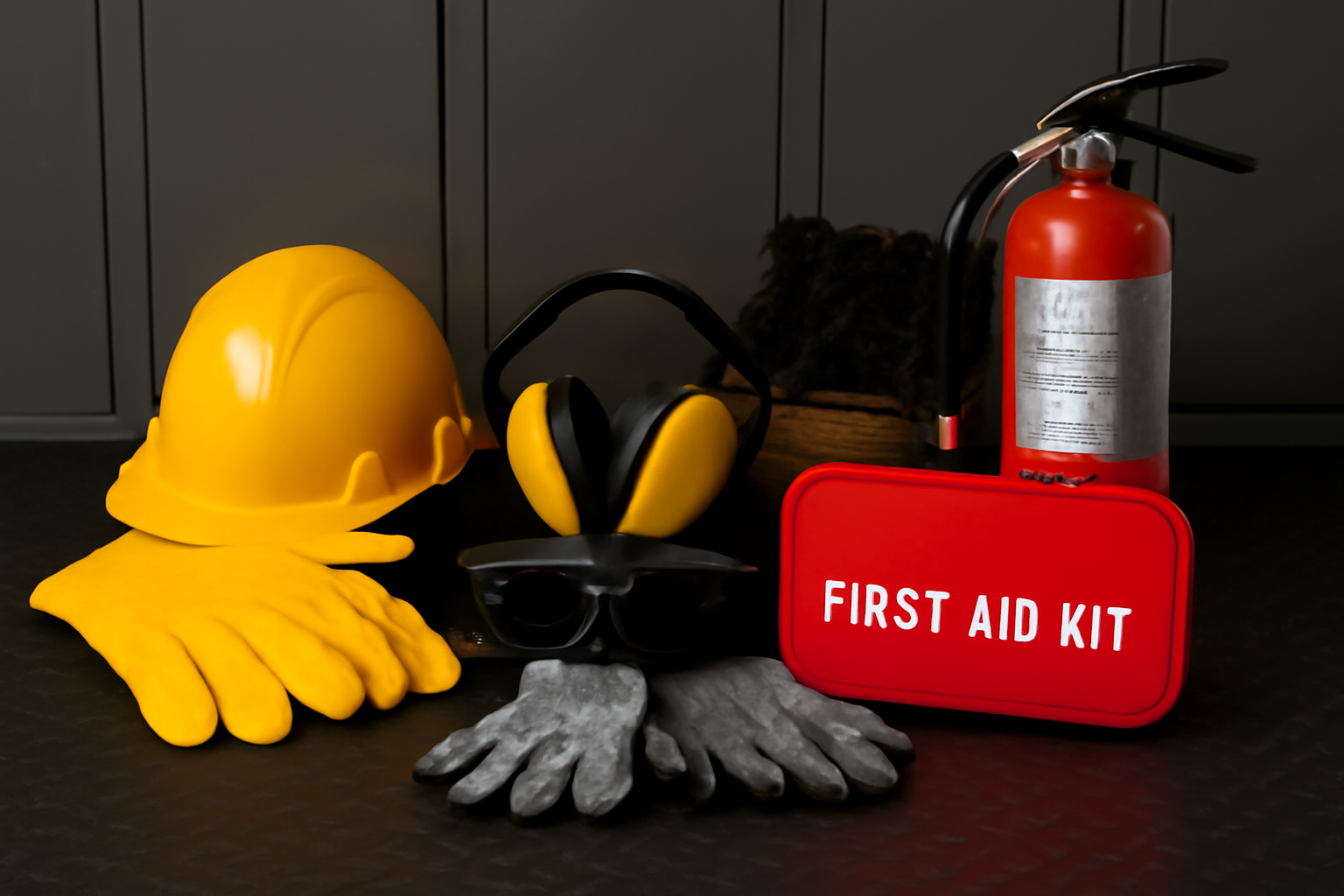
In any warehouse, safety is the top priority. Workers are constantly exposed to potential hazards such as heavy machinery, hazardous materials, and fluctuating temperatures. One of the best ways to ensure a safe working environment is by providing workers with Personal Protective Equipment (PPE). Proper PPE not only protects employees but also helps companies comply with health and safety regulations, preventing accidents and reducing liability. This blog will walk you through the top 10 PPE items every warehouse must stock.
1. Safety Helmets (Hard Hats)
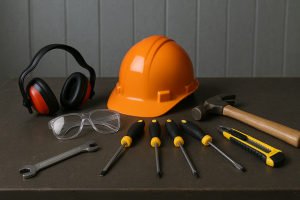
Safety helmets, or hard hats, are essential in any warehouse where overhead hazards like falling objects or equipment are present. A hard hat provides head protection and is often required in warehouses that store heavy goods or operate machinery.
Key Features: Lightweight, adjustable, with a suspension system to absorb impact.
Why It’s Important: Head injuries are one of the most serious types of warehouse accidents, and hard hats can prevent life-threatening injuries.
2. High-Visibility Vests or Clothing
Warehouses can be chaotic environments with lots of moving parts, including forklifts, pallet jacks, and trucks. High-visibility clothing helps workers stand out, making them visible to their colleagues and machinery operators.
Key Features: Fluorescent yellow or orange with reflective strips.
Why It’s Important: Visibility is essential for preventing accidents in busy areas, especially near moving vehicles and machinery.
3. Safety Gloves
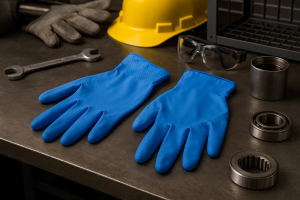
Safety gloves are a must for warehouse workers handling goods, especially those with sharp edges, heavy items, or hazardous materials. Gloves protect workers from cuts, abrasions, burns, and other hand injuries.
Key Features: Durable materials like leather, nitrile, or latex, depending on the type of work.
Why It’s Important: The hands are at high risk of injury in a warehouse environment, and gloves help minimize exposure to these risks.
4. Safety Footwear (Steel-Toed Boots)
In a warehouse, employees are frequently exposed to falling objects, spills, and sharp materials on the floor. Steel-toed boots provide protection from such hazards by shielding the toes and feet from injury.
Key Features: Steel or composite toe caps, slip-resistant soles, waterproof designs.
Why It’s Important: Protecting the feet is crucial in environments where heavy or sharp objects are handled, and preventing slips is vital in maintaining workplace safety.
5. Hearing Protection (Earplugs/Headsets)
Warehouses can be loud environments, especially near machines, forklifts, and vehicles. Long-term exposure to high noise levels can cause hearing damage. Providing hearing protection helps reduce the risk of hearing loss among workers.
Key Features: Noise-canceling earplugs or earmuffs.
Why It’s Important: Protecting hearing is crucial to prevent permanent damage due to loud, continuous noise exposure.
6. Respirators or Face Masks
Warehouses that handle chemicals, dust, or hazardous fumes require workers to wear respiratory protection to prevent inhalation of harmful substances. Respirators or face masks come in various types, depending on the level of protection required.
Key Features: N95, P100, or half/full face masks for filtering airborne particles or fumes.
Why It’s Important: Exposure to dust, fumes, or chemicals can lead to respiratory issues, and proper protection is vital for long-term health.
7. Eye Protection (Safety Glasses/Goggles)
Eye injuries are common in warehouses, especially when working with equipment or materials that can cause debris to fly. Safety glasses or goggles protect the eyes from chemicals, dust, and flying objects.
Key Features: Impact-resistant lenses, side shields, and UV protection.
Why It’s Important: Eye injuries can cause permanent vision loss, so it’s essential to provide protective eyewear to workers in high-risk areas.
8. Protective Clothing (Coveralls/Aprons)
Protective clothing, such as coveralls or aprons, is especially important for workers exposed to hazardous substances, such as oils, chemicals, or cleaning agents. This gear helps to prevent skin contact with dangerous materials.
Key Features: Chemical-resistant fabrics, flame-resistant options.
Why It’s Important: Prevents burns, rashes, and chemical exposure, ensuring workers’ skin is safe from harmful substances.
9. Fall Protection Gear
For workers operating at heights, such as in racks or using elevated platforms, fall protection gear is essential. This includes harnesses, lanyards, and other fall arrest systems to prevent serious injuries.
Key Features: Full-body harnesses, retractable lanyards, anchor points.
Why It’s Important: Falls from heights are one of the leading causes of workplace injuries and fatalities. Fall protection ensures workers are secured while working at elevated positions.
10. First Aid Kits
While not worn as part of PPE, having a well-stocked first aid kit is crucial in any warehouse. In case of an injury, a first aid kit allows workers to administer immediate care until professional medical help arrives.
Key Features: Bandages, antiseptic wipes, gauze pads, scissors, burn ointments, and more.
Why It’s Important: Quick access to first aid supplies can make the difference in preventing infections, controlling bleeding, and handling minor injuries effectively.
Conclusion
Stocking the right PPE in your warehouse is essential for maintaining a safe and productive environment. By providing employees with the necessary protective equipment—whether it’s safety helmets, gloves, or respiratory protection—you can reduce the risk of accidents, injuries, and long-term health issues. Invest in high-quality PPE and ensure that all workers are properly trained in its use. A well-stocked PPE inventory isn’t just a regulatory requirement—it’s a commitment to the safety and well-being of your workforce.
If you want to ensure your warehouse is fully equipped, start by reviewing these top 10 PPE items, and make sure to maintain, replace, and inspect them regularly for optimal safety.


Add comment