
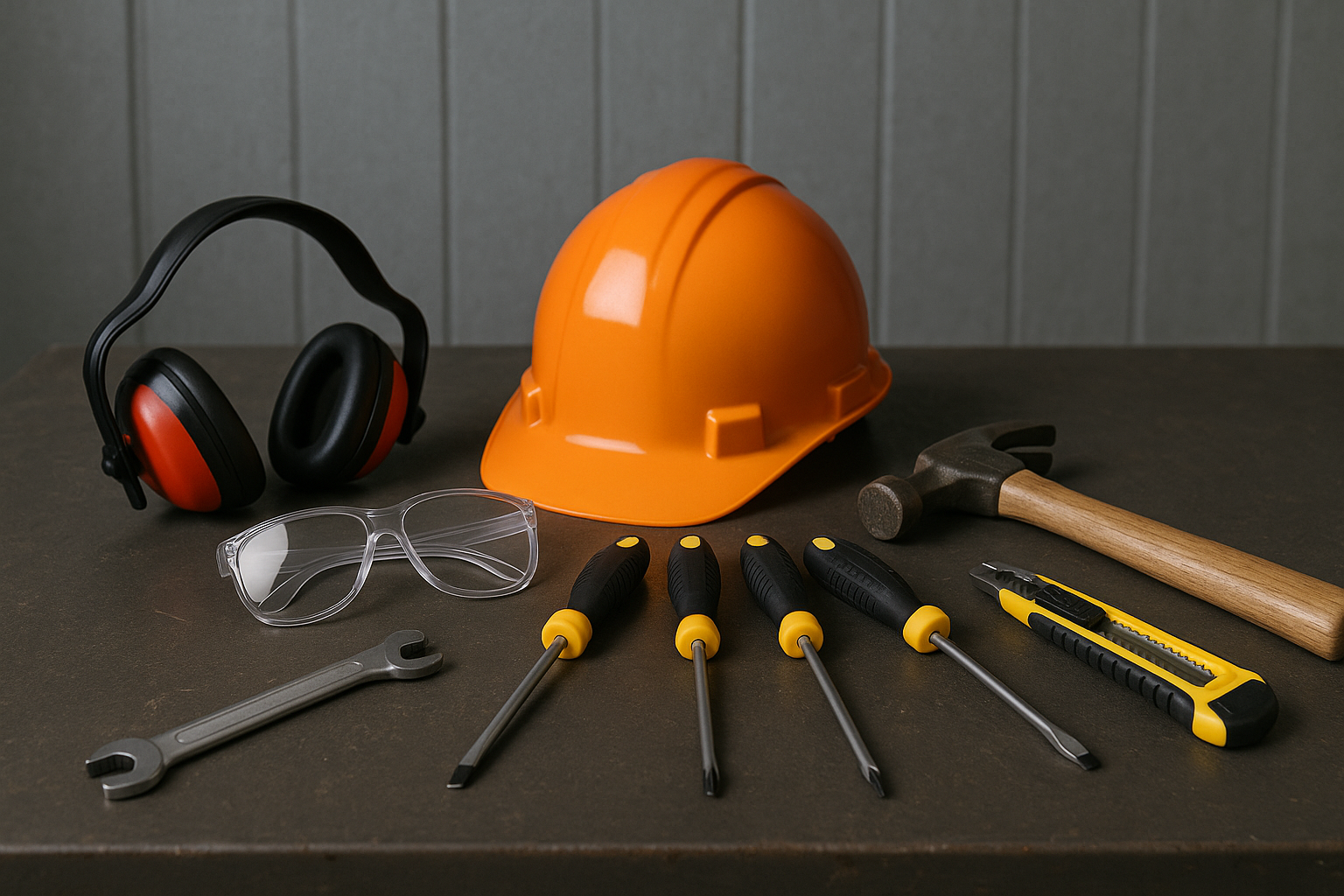
In a factory setting, productivity lives or dies by uptime. One unexpected breakdown can halt operations, cost thousands in delays, and create a ripple effect across production lines. That’s why having the right maintenance tools isn’t just helpful—it’s mission critical.
Whether you’re managing a small manufacturing plant or a massive facility, your maintenance team needs to be equipped with reliable, versatile tools that allow them to handle repairs quickly and efficiently. In this blog, we’ll break down the top maintenance tools you can’t afford to skip if you want to keep your factory operations running like clockwork.
1. Multimeter – The Electrician’s First Line of Defense
Why It Matters: Electrical issues are one of the top causes of factory downtime. A multimeter helps diagnose voltage drops, broken circuits, faulty wires, and irregular power flow before they become major problems.
Use It For:
Troubleshooting machines and control panels
Verifying power supply to motors or drives
Checking continuity and resistance in wiring
Pro Tip: Go digital. Choose a multimeter with auto-ranging and data hold features for faster, more accurate readings.
2. Cordless Impact Driver – Power and Speed in One
Why It Matters: When time is tight and bolts are stubborn, a cordless impact driver gets the job done fast. It combines speed, torque, and mobility—ideal for assembling, disassembling, and heavy-duty repairs.
Use It For:
Machinery maintenance
Fastening and unfastening bolts or screws
Installing brackets, panels, or guards
Pro Tip: Invest in a quality lithium-ion battery system that can power multiple tools across your maintenance fleet.
3. Torque Wrench – Precision Where It Counts
Why It Matters: Over-tighten a bolt and you risk damaging components. Under-tighten it and it could fail during operation. A torque wrench ensures fasteners are tightened to exact specifications—critical for mechanical and safety compliance.
Use It For:
Securing gearboxes, pumps, or valve assemblies
Calibrating machines
Any high-stress or load-bearing installation
Pro Tip: Use a digital torque wrench for added accuracy and data logging.
4. Grease Gun – Lubrication That Saves Machines
Why It Matters: Without proper lubrication, your factory’s moving parts grind, seize, and eventually fail. A reliable grease gun makes it easy to apply the right amount of lubricant to bearings, joints, and fittings.
Use It For:
Conveyor systems
Motors and pumps
Bearings and shafts
Pro Tip: Color-code your grease guns to match lubricant types and avoid cross-contamination.
5. Infrared Thermometer – Heat Checks Without Contact
Why It Matters: Overheating is a red flag that something’s going wrong—whether it’s a motor, compressor, or bearing. An infrared thermometer lets you scan equipment safely, detect hot spots, and act before failure occurs.
Use It For:
Motor diagnostics
Electrical panels
HVAC systems
Pro Tip: Regularly track and record temperature readings to identify trends over time.
6. Pipe Wrench Set – The Plumbing Fix-All
Why It Matters: Factory plumbing isn’t just about water. You’ve got compressed air lines, chemical transfer systems, and hydraulic hoses. Pipe wrenches help with fast, secure fittings during maintenance and repairs.
Use It For:
Valve replacements
Pipe repairs
Pump and seal maintenance
Pro Tip: Keep an assortment of sizes so your team is ready for any pipe diameter.
7. Flashlight or Inspection Light – Light Up the Problem
Why It Matters: Poor visibility leads to missed problems. A high-lumen flashlight or magnetic LED inspection light helps maintenance teams find and fix issues in cramped, dark areas of machinery or underfloor systems.
Use It For:
Inspecting inside cabinets or enclosures
Working under machines or conveyors
Emergency repairs during power outages
Pro Tip: Rechargeable, magnetic-base lights are versatile and reduce battery waste.
8. Digital Caliper – Precision Measuring on the Go
Why It Matters: Whether you’re checking part wear, verifying tolerances, or sizing a component for replacement, a digital caliper gives you fast, accurate measurements.
Use It For:
Measuring shaft diameters
Checking part wear
Verifying component specs
Pro Tip: Go with stainless steel calipers for durability in tough environments.
9. Lockout/Tagout (LOTO) Kit – Safety Before Service
Why It Matters: No tool is more important than one that keeps your workers alive. Lockout/tagout kits ensure equipment is completely shut down and secured before any maintenance work begins.
Use It For:
Electrical panels
Pneumatic and hydraulic lines
Machine repairs
Pro Tip: Make sure every technician has access to their own LOTO kit and is trained to use it properly.
10. Tool Storage and Organization System
Why It Matters: The best tool in the world is useless if you can’t find it. A proper tool chest, cart, or mobile station keeps everything in reach, organized, and protected.
Use It For:
Rapid response to equipment failures
Daily preventative maintenance routines
Reducing wasted time hunting for tools
Pro Tip: Use shadow boards or foam inserts to quickly spot missing tools at a glance.
Bonus: Maintenance Software or Checklist App
Why It Matters: Tools don’t stop at the physical. A digital maintenance tracking system can help schedule repairs, log inspections, and keep records in one place.
Use It For:
Preventative maintenance scheduling
Tracking part replacements
Equipment downtime reporting
Pro Tip: Integrate QR codes on machines for quick access to logs, manuals, and checklists.
Conclusion: Don’t Just React—Be Ready
The difference between a good maintenance team and a great one often comes down to preparation. Having the right tools, in the right place, at the right time is what keeps production running and emergencies manageable.
As a facility manager or maintenance lead, your goal should be to eliminate guesswork, delays, and unplanned downtime. By stocking and maintaining these essential tools, you put your team in a position to win—every time something breaks, leaks, sparks, or grinds to a halt.Invest in the tools now. Save on the headaches later.





Add comment