
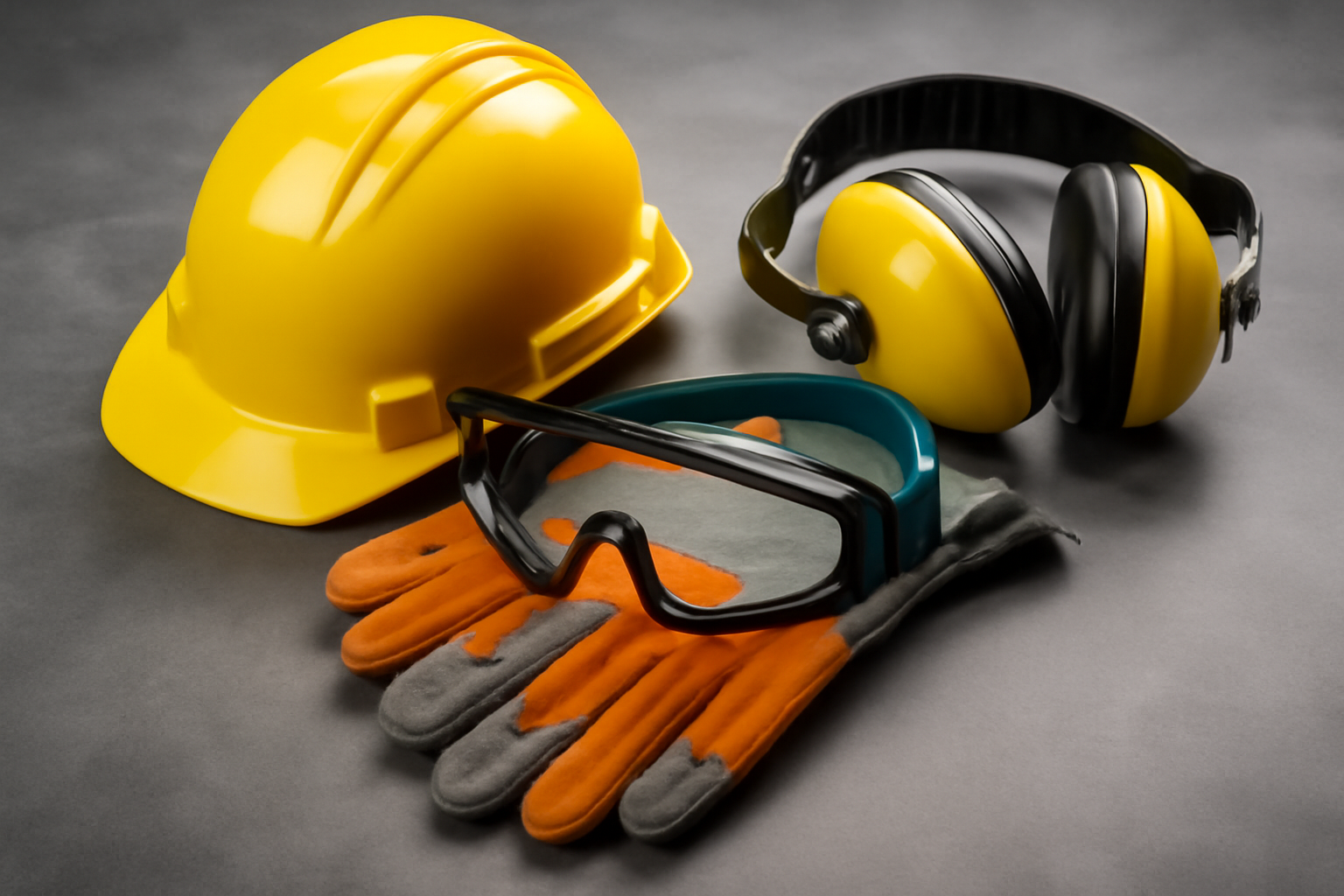
When it comes to workplace safety, Personal Protective Equipment (PPE) plays a critical role in protecting workers from hazards that could result in injuries or illnesses. In the United States, OSHA (Occupational Safety and Health Administration) sets clear guidelines and standards to ensure the proper use of PPE in various work environments. One key aspect of OSHA regulations is the classification of PPE, which helps employers choose the right equipment for their workers based on the risks present in the workplace.
In this blog, we will take a closer look at OSHA classifications for PPE, how these classifications affect workplace safety, and what employers need to know to comply with these standards.
What is PPE?
Personal Protective Equipment (PPE) includes any clothing or equipment designed to protect workers from physical hazards at the workplace. PPE includes items such as gloves, safety goggles, hard hats, hearing protection, respirators, and safety boots. OSHA’s goal is to make sure that all workers are properly equipped to prevent injury or exposure to health risks.
Types of PPE
Eye and Face Protection: Safety goggles, face shields, etc.
Head Protection: Hard hats, helmets.
Hearing Protection: Earplugs, earmuffs.
Respiratory Protection: Respirators, dust masks.
Hand Protection: Gloves, hand guards.
Foot and Leg Protection: Safety boots, shin guards, and knee pads.
OSHA PPE Classifications
OSHA classifies PPE based on the nature of the hazard present in a particular workplace. The classifications help employers determine which type of PPE is required for their employees. Understanding these classifications is essential for maintaining a safe working environment and ensuring compliance with OSHA regulations.
Class I: Protection Against Low-Impact Hazards
Class I PPE is used for tasks where workers face low-level impact hazards. These hazards typically present minimal risks to employees but still require protective equipment.
Examples of Class I PPE:
Eye Protection: Safety glasses with side shields.
Hearing Protection: Basic earplugs.
Hand Protection: Light gloves for handling small tools or cleaning.
Class I PPE is typically used in environments such as office spaces, laboratories, or environments where there is minimal risk of physical injury.
Class II: Protection Against Moderate Hazards
Class II PPE is designed to protect workers from moderate physical hazards. These hazards may result in injuries but typically don’t involve high-impact or life-threatening risks. However, protection is still necessary to reduce injuries.
Examples of Class II PPE:
Head Protection: Hard hats for areas with overhead hazards.
Respiratory Protection: Basic disposable face masks.
Hand Protection: Gloves for handling heavier materials, such as machinery or chemicals.
Foot Protection: Steel-toed boots to protect against falling objects.
This level of protection is common in construction sites, manufacturing facilities, or warehouse environments where the risk of injury is moderate but still significant.
Class III: Protection Against High-Risk Hazards
Class III PPE is designed to offer protection in high-risk environments where serious injury or death is possible. This equipment must be durable and reliable, offering the highest level of protection against severe hazards such as electrical shocks, heavy impacts, or exposure to toxic substances.
Examples of Class III PPE:
Respiratory Protection: Full-face respirators and powered air-purifying respirators (PAPR) for environments with high levels of toxic substances, gases, or dust.
Eye and Face Protection: Full face shields for chemical handling or heavy-duty goggles for welding.
Head Protection: Hard hats with face shields for areas with a high risk of falling objects or electrical hazards.
Foot Protection: Reinforced steel-toe boots designed for heavy-duty construction or industrial environments.
Class III PPE is essential in industries such as construction, heavy manufacturing, and healthcare, where workers face significant safety risks daily.
⚖ OSHA Standards and Regulations for PPE
Under OSHA’s regulations, employers are required to:
Assess Workplace Hazards: Employers must conduct a hazard assessment to identify potential risks that may require PPE. This includes understanding the type of hazards present (e.g., chemicals, heat, noise) and assessing the level of risk to employees.
Select the Appropriate PPE: Once the hazards are identified, employers must select the appropriate PPE class (I, II, or III) based on the risk level and ensure that employees have the right protection.
Ensure Proper Fit: PPE must be properly fitted for each employee to ensure its effectiveness. For example, workers should wear gloves that fit comfortably and are appropriate for the tasks they are performing.
Provide Training: Employers must train employees on how to use PPE correctly, including the proper care, maintenance, and storage of their equipment.
Regular Inspection and Maintenance: PPE must be regularly inspected to ensure it remains in good working condition. Damaged or worn-out equipment should be replaced immediately to maintain safety standards.
OSHA provides detailed guidelines on PPE standards through the OSHA 29 CFR 1910.132 regulation, which outlines the general requirements for PPE in the workplace.
How Employers Can Ensure Compliance with OSHA PPE Regulations
Ensuring OSHA compliance is not only about meeting legal requirements; it’s also about creating a safe and healthy working environment for employees. Here are some key steps employers can take:
Conduct Regular Risk Assessments: Identify new or evolving hazards that may require additional PPE. Workplace conditions and equipment are constantly changing, so it’s important to stay proactive.
Engage Employees in Safety Practices: Workers should be involved in the selection and use of PPE. Engage employees in regular safety meetings and training sessions to reinforce the importance of PPE.
Provide PPE Maintenance and Replacement: PPE must be maintained to function properly. Regular checks for wear and tear, cleaning, and timely replacement will ensure that employees are adequately protected.
Incorporate PPE into Workplace Safety Culture: Make PPE an integral part of the company’s safety culture. Encourage employees to wear PPE at all times and follow safety protocols, particularly in high-risk environments.
Conclusion: The Importance of OSHA PPE Classifications
OSHA’s PPE classifications provide clear guidance for employers to select the appropriate protective equipment based on the risks in their workplace. By understanding and implementing these classifications, businesses can create a safer working environment, reduce the risk of injuries, and comply with OSHA standards.
Remember, PPE is not just about compliance — it’s about ensuring the health and safety of your most valuable asset: your employees. Make sure your workplace is well-equipped, well-trained, and always following the best safety practices.
If you want more information on selecting the right PPE for your industry or need assistance with OSHA compliance, feel free to reach out. Let’s prioritize safety together!


Add comment